Source Extruded Fin Tube Forming Machine for HVAC
Compare 30 extruded fin tube forming machine options from Jiangsu, China. Evaluate specifications like base tube diameter, fin height, and motor power to find the right equipment for manufacturing plant applications; compare the available evidence and request quotations based on your requirements.
Key considerations
Products List


Comprehensive Sourcing Guide
Extruded Fin Tube Forming Machine Sourcing Guide
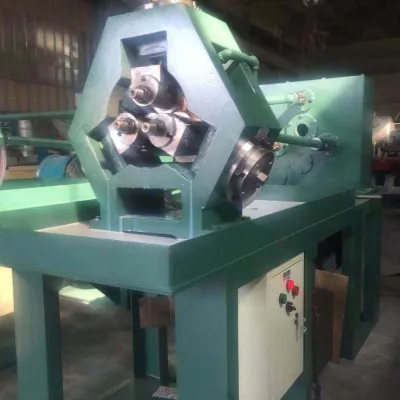
The extruded fin tube forming machine is a specialized industrial asset designed primarily for taper tube work and the manufacturing of heat exchange components. Buyers should recognize that these units are engineered to process base tubes made from aluminum, carbon steel, and copper, wrapping them with fin materials of similar composition. The core functionality relies on precise mechanical rolling to achieve specific fin heights and diameters, making the equipment critical for sectors requiring high-efficiency thermal transfer solutions.
Procurement decisions must account for the machine's operational versatility, as observed listings indicate capabilities for varying base tube diameters ranging from 7mm to 45mm and fin outer diameters up to 77mm. The equipment typically features a main motor power of 11kw and operates at spindle speeds between 80 and 120rpm, allowing for adjustable production rates. Sourcing agents should verify that the specific model selected aligns with the intended workpiece thickness and length requirements, ensuring the machine can handle the full spectrum of production needs without compromising structural integrity.
Product Scope and Observed Listing Signals
Market listings for this machinery often highlight a price range spanning from 3,300 to 300,000 USD, reflecting significant variance in automation levels and capacity. The minimum order quantity is consistently observed at one unit, suggesting that these machines are frequently sold as standalone capital investments rather than bulk industrial kits. Buyers must scrutinize the specific configuration details, as the observed data includes diverse specifications for fin rolling speeds and workpiece dimensions that directly impact the final unit price.
The product scope extends beyond simple rolling, with many units offering customization for packing standards and production models to suit specific factory layouts. Listings frequently mention the availability of video outgoing inspections, providing a layer of transparency before shipment. When evaluating a listing, purchasers should confirm whether the advertised "Easy to Operate" interface is paired with the necessary semi-automatic or automatic control systems required for their specific production volume and labor constraints.
Technical Specifications to Verify
Technical due diligence must begin with the core components, specifically the PLC, gearbox, and motor systems, which dictate the machine's reliability and precision. The observed data indicates a voltage requirement of 220V and a power consumption of 20kw for the overall system, though specific motor power may vary by model. Buyers should verify that the frequency range and control mechanisms match their facility's electrical infrastructure to prevent operational failures or safety hazards during installation.
Critical dimensional parameters require strict validation against the buyer's production targets, including the range of fin outside diameters and base tube diameter ranges. The machine must be capable of handling workpiece lengths up to 15 meters and diameters between 30mm and 120mm, depending on the specific configuration. It is essential to confirm the spindle rotating speed and fin rolling speed capabilities, as these factors directly influence the throughput and the quality of the fin-to-tube bond in the final product.
Compliance and Safety Documentation
Safety and regulatory compliance are paramount, with observed listings indicating that machines often carry RoHS, ISO, and CE certifications. These certifications suggest adherence to international standards for electrical safety and environmental restrictions, which are crucial for importing equipment into regulated markets. Buyers must request valid, up-to-date certification documents to ensure the machinery meets the specific legal requirements of their destination country before finalizing any purchase agreement.
Beyond certifications, the documentation package should include detailed operational manuals and safety protocols for the high-speed mechanical components. The presence of a one-year warranty is a standard observation, but the specific terms regarding coverage for the PLC and motor systems require careful review. Procurement teams should ensure that the supplier provides comprehensive after-sales support documentation, including troubleshooting guides for the semi-automatic control systems and field installation procedures.
Cost Drivers and Commercial Terms
The total cost of ownership is heavily influenced by the customization options available, such as specific packing standards and tailored production models. While the base unit price is a primary consideration, buyers must factor in the costs associated with customizing the machine for specific fin heights and workpiece dimensions. The observed data suggests that higher customization levels, such as specific spindle speeds or motor configurations, will likely increase the final commercial price significantly.
Commercial terms should explicitly address the warranty duration and the scope of after-sales services, which often include free spare parts and online support. The lead time and shipping logistics are critical, as the machine's weight of 800kg necessitates specialized freight arrangements. Buyers should negotiate clear terms regarding the delivery of the wooden package and the responsibility for field installation, ensuring that the supplier provides the necessary technical guidance to minimize downtime during the commissioning phase.
Supplier Qualification and Quality Control
Supplier qualification should focus on the manufacturer's ability to provide video outgoing inspections and their track record in the manufacturing plant sector. The observed data indicates that suppliers are located in Jiangsu, China, a region known for industrial machinery, but buyers must verify the specific factory's quality control processes. It is advisable to request evidence of their production capacity and their history of fulfilling OEM and ODM orders to ensure they can meet specific design requirements.
Quality control protocols must extend to the final inspection of the machine's core components and structural integrity. Buyers should verify that the supplier conducts rigorous testing on the PLC and motor systems before shipment, as these are the most critical elements for long-term performance. The availability of field installation support and online assistance is a key indicator of a supplier's commitment to quality, ensuring that any technical issues can be resolved promptly without halting production.
Long-Term Procurement Checks
Long-term procurement success depends on the availability of spare parts and the supplier's responsiveness to maintenance needs. The observed after-sales services include free spare parts and online support, but buyers should clarify the lead times for these components to avoid extended downtime. Establishing a clear communication channel for technical support is essential, especially given the complex nature of the semi-automatic control systems and the high-speed mechanical operations involved.
Buyers must also plan for the eventual obsolescence of specific machine models and the availability of software updates for the PLC systems. The customization options observed in the market suggest that future upgrades may be necessary to adapt to changing production requirements. A robust long-term strategy involves maintaining a relationship with the supplier to ensure continued access to technical expertise and the ability to modify the machine for new fin materials or workpiece dimensions as market demands evolve.
FAQs
What is the voltage and power requirement for this pipe rolling machine?
The machine operates on 220V voltage with a total power consumption of 20 kW. It features an 11 kW main motor and utilizes PLC core components for precise control. This configuration ensures stable performance for taper tube work applications in manufacturing plants.
Can the machine handle different base tube materials and diameters?
Yes, it accepts aluminum, carbon steel, and copper base tubes. The base tube diameter range covers 7-11mm, 12-32mm, and 15-45mm options. This versatility allows manufacturers to process various finned tube specifications efficiently without requiring multiple specialized machines for different material types.
What certifications does the BW brand fin tube machine hold?
The equipment holds RoHS, ISO, and CE certifications. These standards confirm compliance with international safety and quality requirements. Buyers can rely on these documented credentials when sourcing machinery for regulated industries, ensuring the product meets necessary operational and environmental guidelines for global deployment.
How long is the warranty and what after-sales support is provided?
The machine comes with a 1-year warranty. After-sales service includes free spare parts, online support, and field installation assistance. This comprehensive support structure helps minimize downtime and ensures that technical issues are resolved quickly, maintaining continuous production efficiency for the end user.
What is the maximum finned tube length the machine can produce?
The machine can produce finned tubes with a maximum length of 15 meters. Some configurations support up to 18 meters for specific tube types. This capability allows for the efficient manufacturing of long heat exchange components, reducing the need for splicing and improving overall assembly speed.
Is customization available for the fin height and spindle speed?
Customization is available for various parameters including fin height and spindle speed. Options include fin heights of 7mm or 16mm and spindle speeds of 80, 100, or 120 rpm. This flexibility allows buyers to tailor the machine to specific production requirements and unique product designs.